How Will You Help Me Love My Photo?
Last updated: 29/09/26
In my earlier post, I Hate Having My Photo Taken!, I made a bold claim: nobody looks awful in photos; they've just had awful photos taken of them.
Fair enough, you might say. But that's the easy bit. Plenty of photographers can take a photo you don't hate. The real question, the one people are actually asking when they ring me, is this:
"How will you help me love it?"
Good question.
First, what does "love your photo" actually mean?
It doesn't mean looking like a film star, and it doesn't mean looking like someone else. Loving your headshot usually means three things: you recognise yourself, you like the person you see, and you're happy for the world to see your headshot too. In short, it's a photo you'll actually use, rather than one that sits in a folder while you carry on with the cropped holiday snap.
Everything I do in a session is aimed at those three things. So, how do we get there?
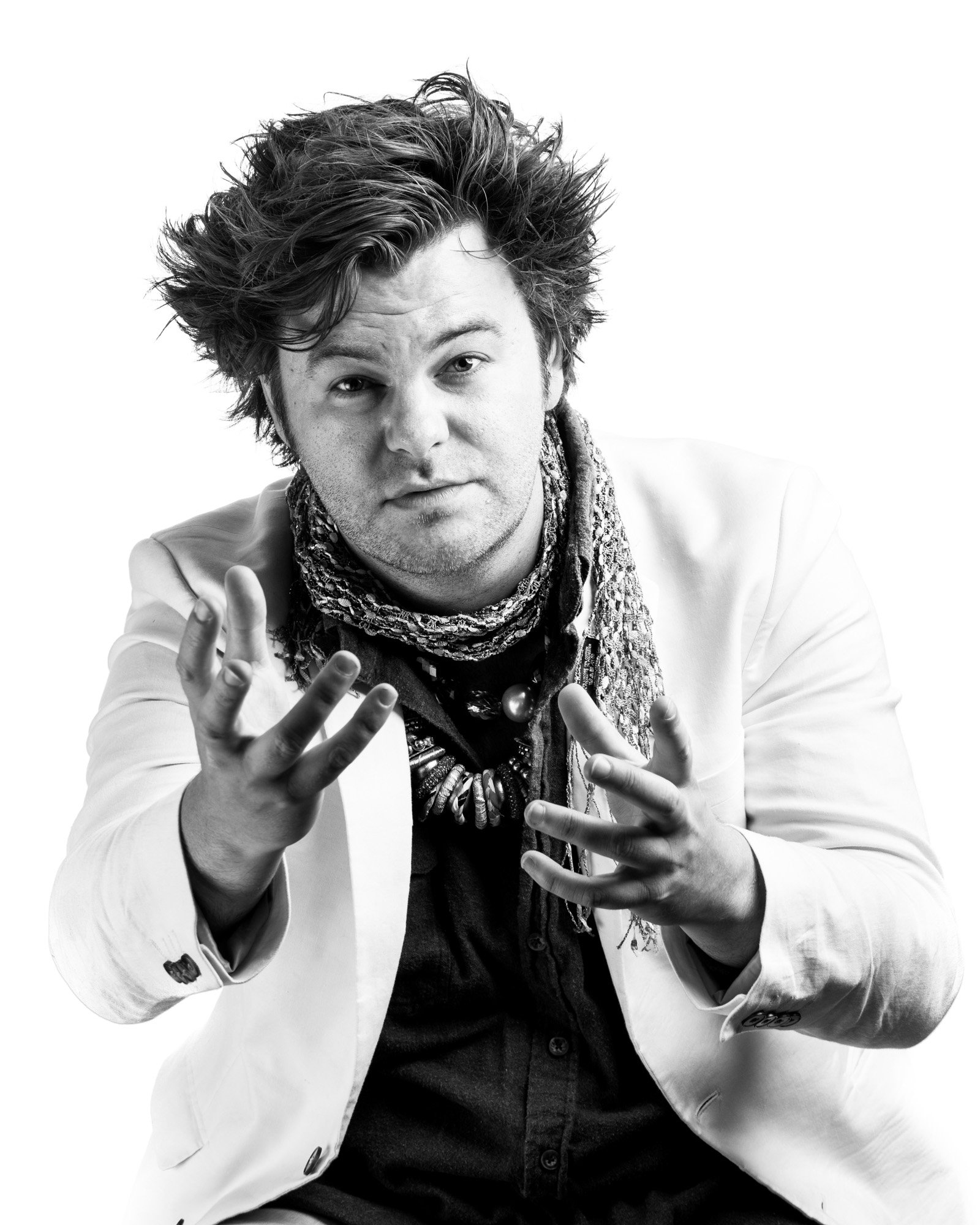
1. We work out what "love" looks like for you.
Before a single frame, I want to know two things: where the photo is going, and what you'd like people to think when they see it.
"Approachable." "Trustworthy." "Knows their stuff." "Not a stuffed shirt." A solicitor meeting nervous clients needs something different from a creative director or a coach. There's no single "right" headshot, only the right one for you and your business.
If you've seen a headshot you like, a colleague's or someone's on LinkedIn, send it over. Equally useful is one you don't like, and why. That tells me more than almost anything else.
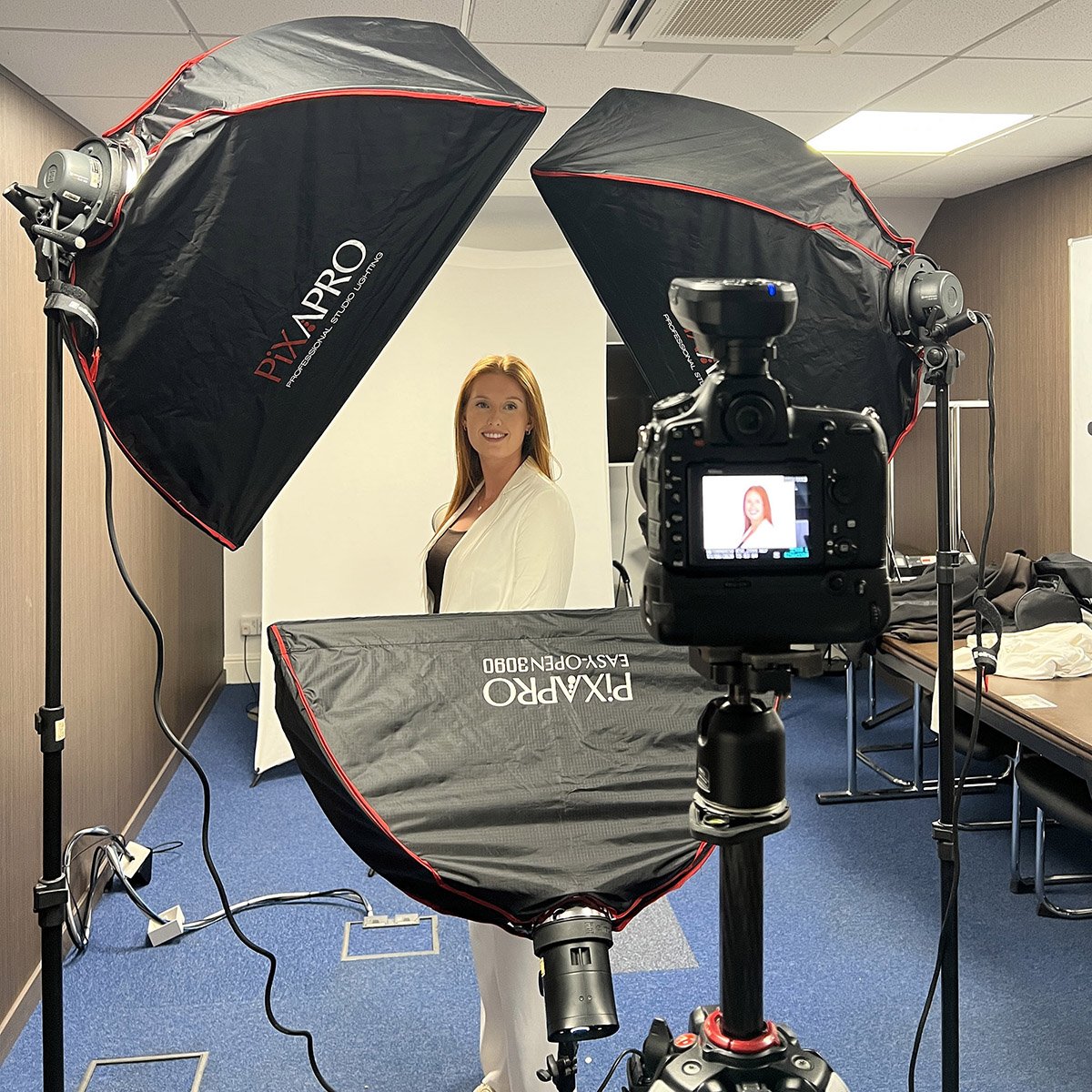
2. I find your light.
This is where most of the magic happens, and where most bad photos go wrong.
Every face catches light differently. Some people look fantastic with soft, even light. Others come alive with a little more shape and shadow. Glasses, beards, grey hair, darker or paler skin: each changes what works. I don't use one fixed set-up for everyone; I adjust it for you, and then adjust it again once I've seen the first few frames.
Good light doesn't change your face. It just stops working against it.
3. I find your angle.
Most of us have a side we prefer, even if we've never noticed. Tilting your head a touch, turning your shoulders slightly away from the camera, bringing your chin forward (yes, really, it's the oldest trick in the book because it works): small changes that make a surprising difference.
You don't need to know any of this. That's my job. You just need to be willing to be nudged about a bit. Metaphorically.
4. I find your real expression.
OK, this is the big one.
Almost everyone has a "photo face". You know the one: the smile that arrives on command, sits there slightly too long and doesn't quite reach the eyes. It's a defence mechanism, and you’re not at fault. But it's rarely the expression your friends and clients know.
Your real expression turns up when you forget about the camera. So we talk about your work, your weekend, that holiday disaster, whatever gets you going. I'll probably say something daft. Somewhere in the middle of all that, there's a moment where you're just being you, and that's the one I'm waiting for.
It's often not a big, beaming smile either. Frequently the photo people love most is the "almost smile": relaxed, warm, a bit of something in the eyes. That's the one that says "I'd like to work with this person."
5. We try more than one version of you.
Jacket on, jacket off. A warm, relaxed look and a more formal one. A light background and a darker one. Working at your office, home or another location also means we can use the real surroundings for a more natural portrait if that suits you.
Why bother?
Because sometimes the version you'd have bet against turns out to be your favourite, and because it's handy to have options for LinkedIn, your website and your speaker bio.
6. You choose your image.
After your photoshoot, you will have access to a private online gallery to view and choose your photos.
A tip: when you're choosing, ask someone who likes you. A partner, a friend, a colleague you trust. You'll be scanning for the bits you're self-conscious about; they'll just see you. Their pick is very often the right one.
I'll also tell you which ones I think are strongest, and why. You're not on your own with 60 thumbnails and a headache.
7. I retouch you to look like you.
Natural retouching, always. A blemish, a stray hair, a bit of tiredness under the eyes: those go. Your face, your character lines and what makes you you: those stay.
I have strong feelings about this. A headshot that doesn't look like the person who turns up to the meeting isn't a good headshot, however smooth it is.
And here's a small confession and a testimonial.
After every shoot, once I've finished editing and sent the gallery off, I'm always a little anxious. Not because I doubt the photos, but because I really do care whether you like them. That's the bit that matters.
From a recent shoot: “As someone who struggles to look natural and at ease when having their photo taken, I was not looking forward to the session. I needn’t have worried: Matt's calmly confident attitude resulted in excellent photos.
His relaxed, easy-going nature was one thing. His skill and expertise while wielding the tools of his profession were impressive. Regardless of my less than perfect expressions, every photo was brilliantly lit and composed. He refused to be beaten by very limited space in my really small studio and managed to get some great shots in there, almost hanging out of a window to do so!
The man is dedicated and determined! Matt was also happy to include my little dog in many of the shots. Barney the dog was a star… looked fab in all of them!
Thank you Matt.
I have more than enough really good photos to satisfy employers who had asked for them. No hesitation in recommending Matt.”
Fran Godfrey:

Frequently asked questions.
How do photographers make you look good in a headshot?
Mainly through lighting chosen for your face, small adjustments to your angle and posture, and direction that brings out a natural expression rather than a forced smile. Natural retouching then tidies temporary things like blemishes without changing how you look.
How do I get a natural smile in my headshot?
Don't try to produce one on command. Natural expressions happen when you're relaxed and talking, so a photographer who keeps the conversation going will capture far better expressions than one who just says "smile".
What's the best angle for a headshot?
It varies from person to person. Usually, a slight turn of the shoulders away from the camera, a small head tilt and bringing your chin slightly forward are flattering. A good headshot photographer will find your best angle during the session.
How do I choose the best photo from my headshot session?
Ask someone who knows and likes you to help you choose, as they'll see you the way others do rather than focusing on things you're self-conscious about. Your photographer can also recommend the strongest images.
Will my headshot be heavily retouched?
Not with me. I use natural retouching to remove temporary marks and tidy stray hairs, but I don't change your features. The aim is to look like yourself on a good day.
Do you come to me for headshots?
Yes. I'm a mobile headshot photographer based in Farnham, Surrey, and I photograph clients at their office, home or a chosen location across Surrey, Hampshire, Berkshire, London and the wider UK.
Ready to love your photo?
If you've read this far, you're probably closer to booking than you think. Give me a call or drop me a message. Tell me where your photo is going and what you'd like it to say, and we'll take it from there.
Get in touch
About the author
Matthew Burch is a mobile headshot and portrait photographer based in Farnham, Surrey, with over 18 years' experience photographing individuals, business owners and corporate teams across Surrey, Hampshire, London and the UK.