Hate Having Your Photo Taken? How Camera-Shy People Get Great Headshots
Last updated: 23/09/26 · Written by Matthew Burch
If there's one sentence I hear more than any other, it's this: "I hate having my photo taken."
It usually comes out within the first minute. Sometimes as a joke, sometimes as an apology, and sometimes as a warning, as if I'm about to discover something terrible. "I'm just not photogenic." "I always look awkward." "I never like any photo of me."
After 18 years of photographing people for their business headshots, I can promise you this: the people who say that are the majority, not the exception. And they're the people I most enjoy photographing, because the change between the first frame and the last is often huge.
If you're putting off booking a headshot because the thought of it makes you wince, this is for you.
Why do so many people hate photos of themselves?
There are a few good reasons, and none of them mean there's anything wrong with your face.
You're used to seeing yourself backwards. Every day you see yourself in the mirror, which is a flipped version of your face. A photograph shows you the way everyone else sees you. Because faces aren't perfectly symmetrical, that "unflipped" version can feel slightly wrong to you, even though it looks completely normal to everyone else. Your friends and colleagues see that face every day and think nothing of it.
Most photos of you were taken badly. Think about where most pictures of you come from: phone cameras at arm's length, a harsh overhead light at a party, a school photographer with 400 children to get through before lunch. None of that was designed to flatter anyone.
You're judging yourself, not the photo. When we look at a picture of someone else, we take in the whole person. When we look at ourselves, we zoom straight to the bits we don't like: the chin, the hairline, the teeth, the eyes that always seem to close. We're our own harshest critics.
The situation feels unnatural. Standing still while someone points a camera at you isn't a normal human experience. Of course it feels odd.
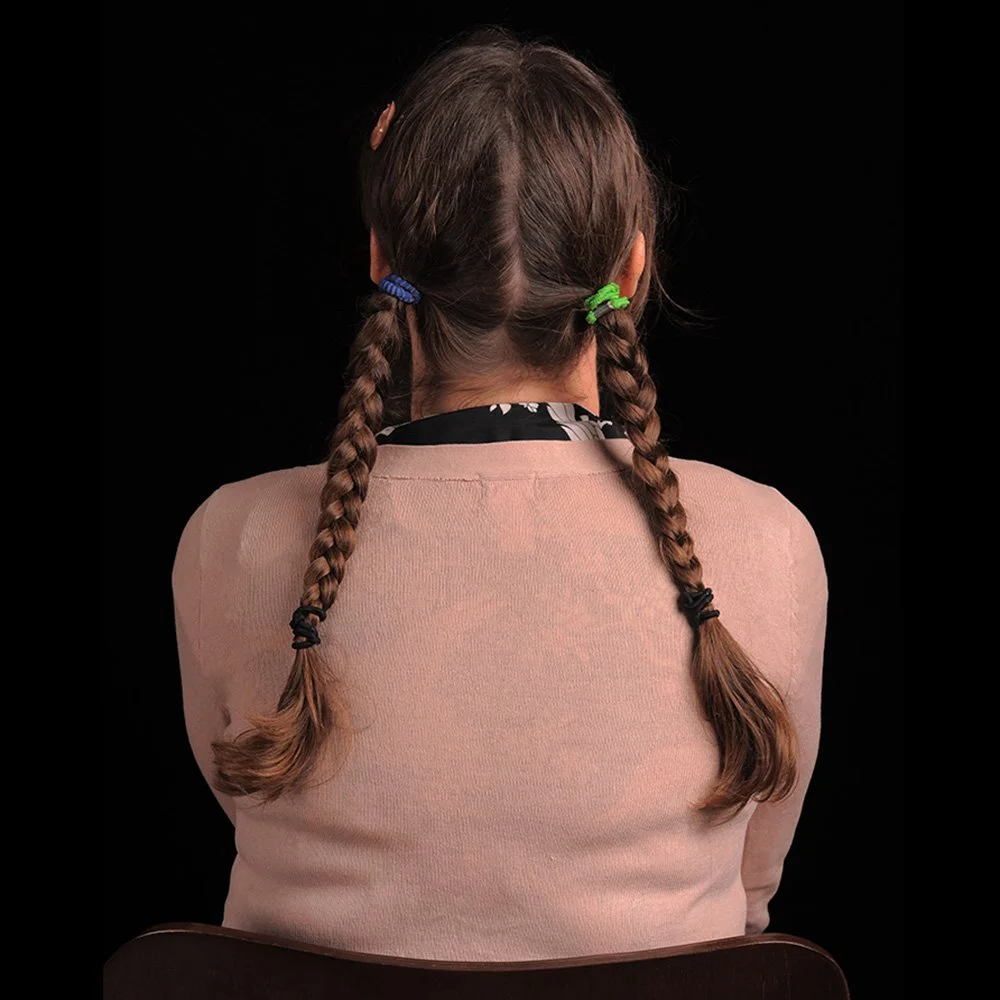
Is "photogenic" even a real thing?
Not really, or at least not in the way people think. What we call photogenic is mostly the result of three things, and only one of them is you:
Light. The right light can soften, shape and flatter a face. The wrong light makes anyone look tired.
Angle. A small change in where the camera sits, or how your shoulders turn, changes how a face reads in a photo.
How relaxed you are. Tension shows, especially around the mouth, jaw and eyes.
The first two are my job entirely. The third is where most of my effort goes, and it's something we work on together.
What actually happens in a headshot session with me
A lot of the dread comes from not knowing what to expect, so here's how a typical session goes.
We start by talking, not shooting. Coffee on arrival, if you offer it! We chat about what the photos are for, where they'll be used, and how you'd like to come across. I'll ask what you usually dislike about photos of yourself. That tells me a lot, and I can usually fix it with lighting or positioning before we've even started. We might chat about you too.
The first few frames don't count. I tell everyone this, because it takes the pressure off. The early shots are for me to check the light and for you to get used to the camera. Nobody is expected to be brilliant straight away.
I direct you, so you don't have to know what to do. You don't need to know how to pose. I'll guide you with small, simple adjustments: turn a touch this way, drop that shoulder, bring your chin forward slightly. These tiny changes make a surprising difference, and you won't feel like a model at a fashion shoot.
We keep talking. The best expressions rarely come from someone staring into a lens thinking "smile now". They come when you're mid-sentence, thinking about something you care about, or laughing at something daft I've said. So we talk the whole time: work, weekends, the dog, whatever gets you out of your head.
No rush. There's time to try different looks, change a top, or have a second go at anything you're not sure about.
What you can do to feel more comfortable
You don't need to do anything special to prepare, but a few things genuinely help camera-shy clients:
Tell me you're nervous. It's not embarrassing; it's useful. Knowing helps me pace the session for you.
Wear something you already feel good in. A new outfit you're unsure about adds to the nerves. Choose something that fits well and feels like you, and bring a spare if you can't decide. For a profile photo I often suggest wearing something you would wear when meeting a new client for the first time.
Don't practise your smile in the mirror. It might just highlight your fear. Leave the expressions to the session. I do actually like the mirror for practice and rehearsal but there’s a technique and a quick unfamiliar try before a headshot shoot isn’t the time to try.
Book a time that suits you. If you're not a morning person, don't book 8 am. If you'll be rushing from a meeting, book a quieter day.
Look at examples you like. If a colleague's headshot caught your eye, send it over. It gives us a shared starting point. Even your favourite movie star may give some inspiration.
Will I be retouched to look like someone else?
No. The aim is for you to look like yourself on a good day, the version of you that people will recognise when they meet you in person. My retouching is natural: removing a blemish, tidying stray hairs, softening shadows under the eyes. Your face stays your face.
That matters more than people think. Your headshot is your digital handshake, and there's nothing more off-putting than meeting someone who looks nothing like their photo, or worse, an A.I. version!
Camera-shy staff on team headshot days
If you're organising headshots for a company, you'll almost certainly have people on the team who are dreading it. A few things make team days easier for them:
A private space. I prefer to set up where people aren't being watched by a queue of colleagues. Performing for an audience is the worst part for most camera-shy people. That said, it can help, especially if there is support and humour.
Short, relaxed sessions. Nobody is kept in front of the camera longer than needed, but nobody is rushed either.
Leaders going first. When a director or manager steps up early and clearly enjoys it, it sets the tone for everyone else.
Letting people choose their image. When people pick their own favourite from a gallery, they're far more likely to actually use it.
Some of my happiest team day moments are with people who were "only doing this because HR made me" and left saying it was fun and way better than they expected.
Why it's worth doing anyway
It's tempting to keep using the cropped holiday photo, the one from five years ago, or no photo at all. But your headshot works for you all the time: on LinkedIn, your website, email signature, proposals and speaker bios. It's often the first impression someone has of you, before they've read a word or heard your voice.
A good session doesn't just give you a better photo. For a lot of camera shy people, it's the first time they've seen a picture of themselves and thought, "Actually, that's quite nice."
Frequently asked questions
What if I really hate having my photo taken?
You're in good company: most of my clients say exactly that. A good headshot photographer's job is to put you at ease, direct you so you don't have to know what to do, and use lighting that flatters you. Tell your photographer you're nervous so they can pace the session.
How can I look natural in a headshot?
Try not to hold a fixed smile or rehearse expressions beforehand. Natural expressions usually happen when you're talking and relaxed, so a photographer who keeps the conversation going will get much better results than one who just says "smile".
What if I'm not photogenic?
Being "photogenic" is mostly down to light, angle and how relaxed you are, not the face you were born with. With the right lighting and direction, almost everyone can have a headshot they're happy with.
Can I see the photos during the session?
Not generally; I prefer to focus on photographing you and trusting that you’ll see your favourites in the online gallery afterwards. That said a back of the camera peek isn’t a no no.
Ready to give it a go?
If you've been putting off your headshot because you hate having your photo taken, you're exactly the kind of person I'd love to photograph. We'll take it at your pace, keep it relaxed, and I think you'll be surprised by what we get.
Zoe at Compass recently said on Google “Matthew did some brilliant headshots for the company I work for. He was very supportive, understanding and answered all the questions I had, having not organised something like this before. He was really clear in the requirements he had to make the shoot successful. He made those being photographed feel comfortable and natural in front of the camera, which meant the finished photos were great quality, well edited, and didn't look wooden at all. Thank you Matt”.
Book your headshot session: