What to Wear for a Headshot: A Photographer's Guide
Last updated: 29/09/26 · Written by Matthew Burch
"What should I wear?" is the question that lands in my inbox the week before almost every shoot. Sometimes it's a quick message. Sometimes it's three photos of different shirts laid out on a bed.
It's a good question to ask, because clothing makes more difference in a headshot than most people expect. The right outfit disappears and lets your face do the talking. The wrong one pulls attention away, dates quickly, or just doesn't feel like you.
After 18 years of photographing people for business headshots, here's what actually works in front of the camera and what doesn't.
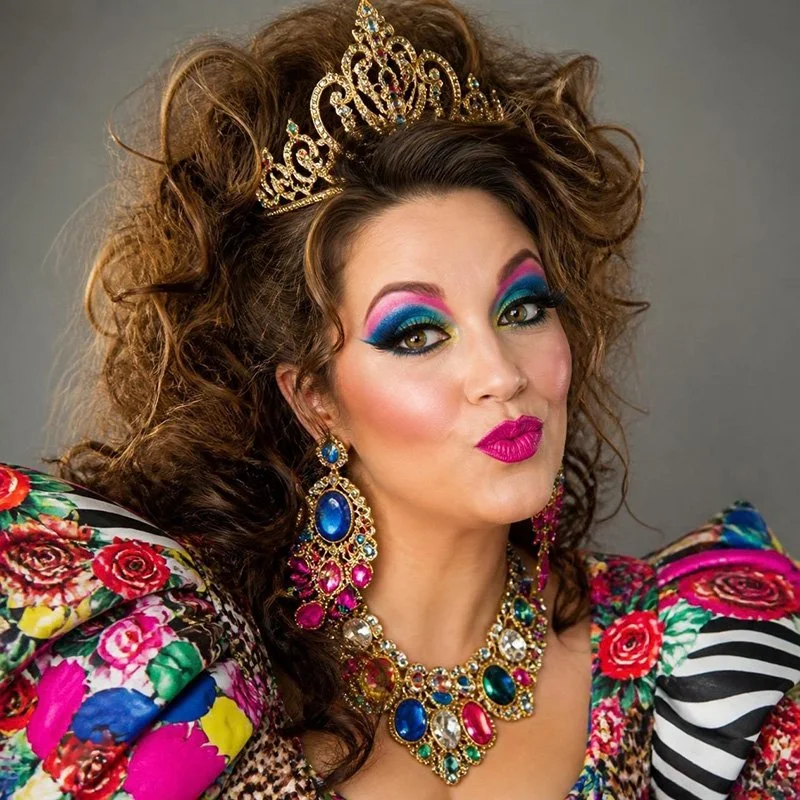
The quick answer
For most professional headshots, wear well-fitting clothes in solid, mid-to-deep colours, with a neckline that frames your face and nothing that competes for attention, such as bold patterns, big logos or shiny jewellery. Dress at the level your clients or colleagues would expect to see you on an important working day, and bring a second option so we can compare on camera. I often add, '‘Consider what you would wear meeting a new client for the first time”.
Start with where the photo will be used
Before you open the wardrobe, think about who will see this photo and what you want them to think.
A solicitor, accountant or financial adviser is usually best served by something tailored and classic, because clients want to feel they're in safe hands.
A creative, a coach or a tech founder might look more natural in smart-casual layers that feel approachable.
A LinkedIn headshot for a job search should match the kind of role you're applying for, not necessarily the one you're in now.
Company team headshots need to fit the company's image, so check with whoever's organising the day before you decide.
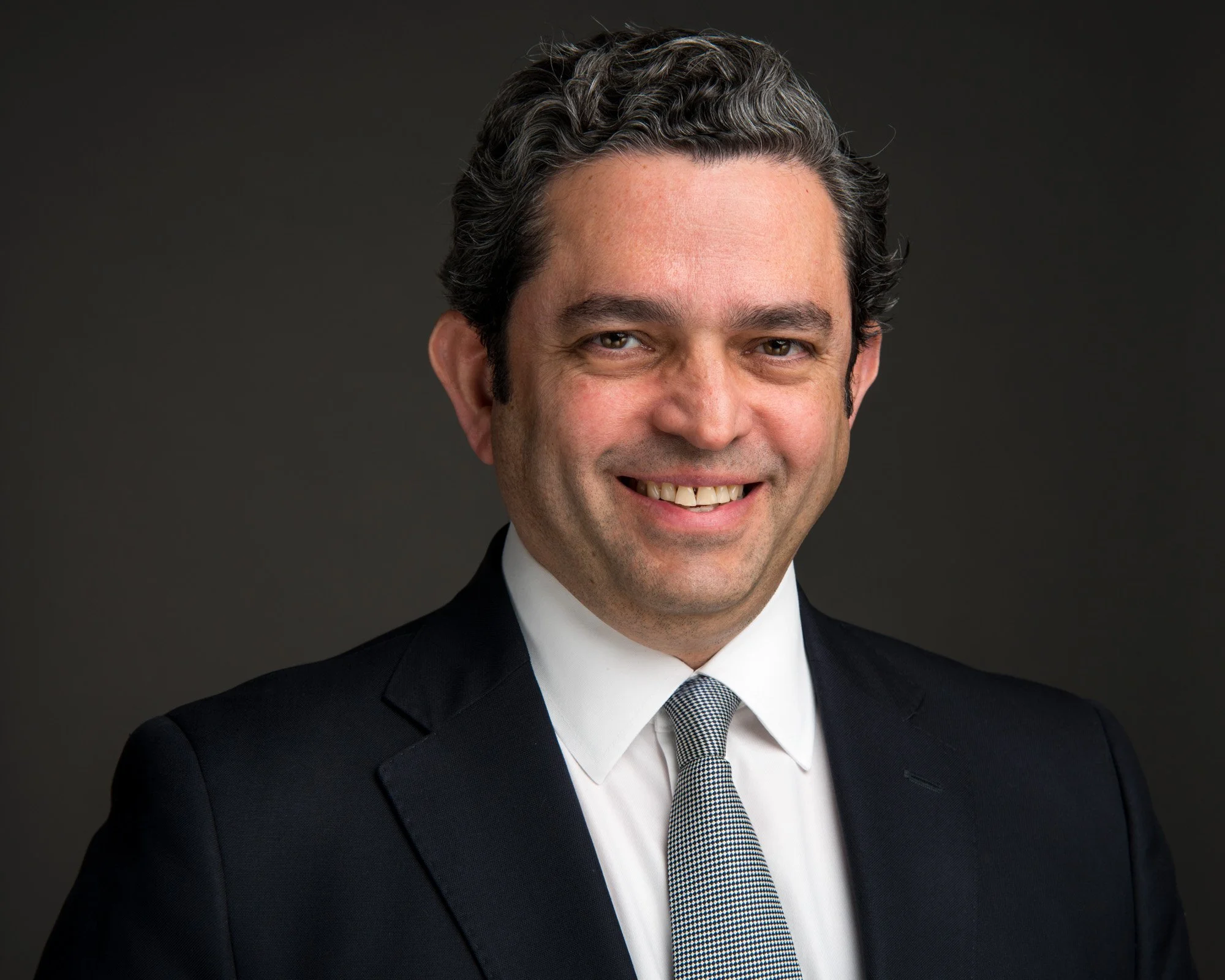
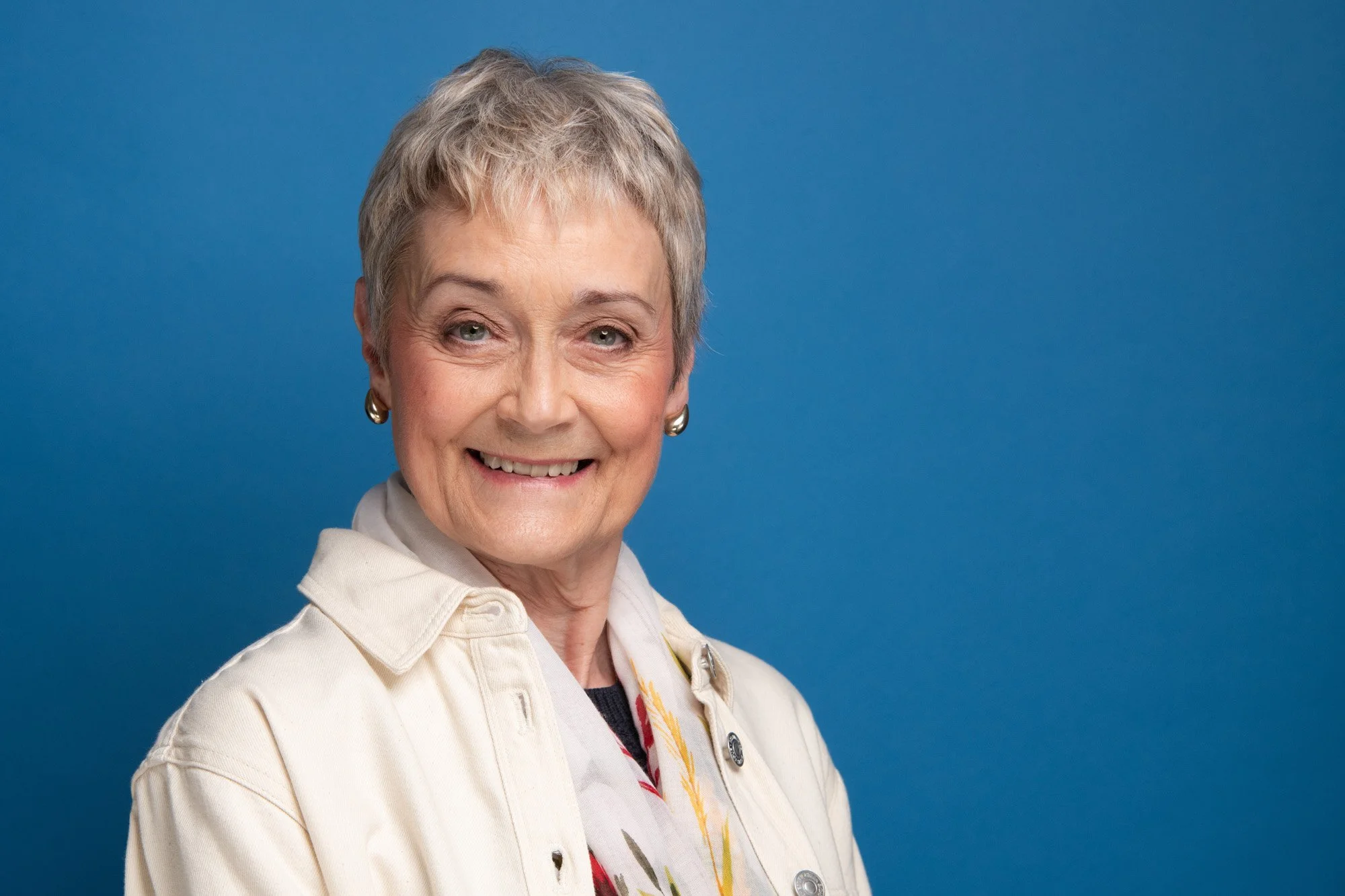

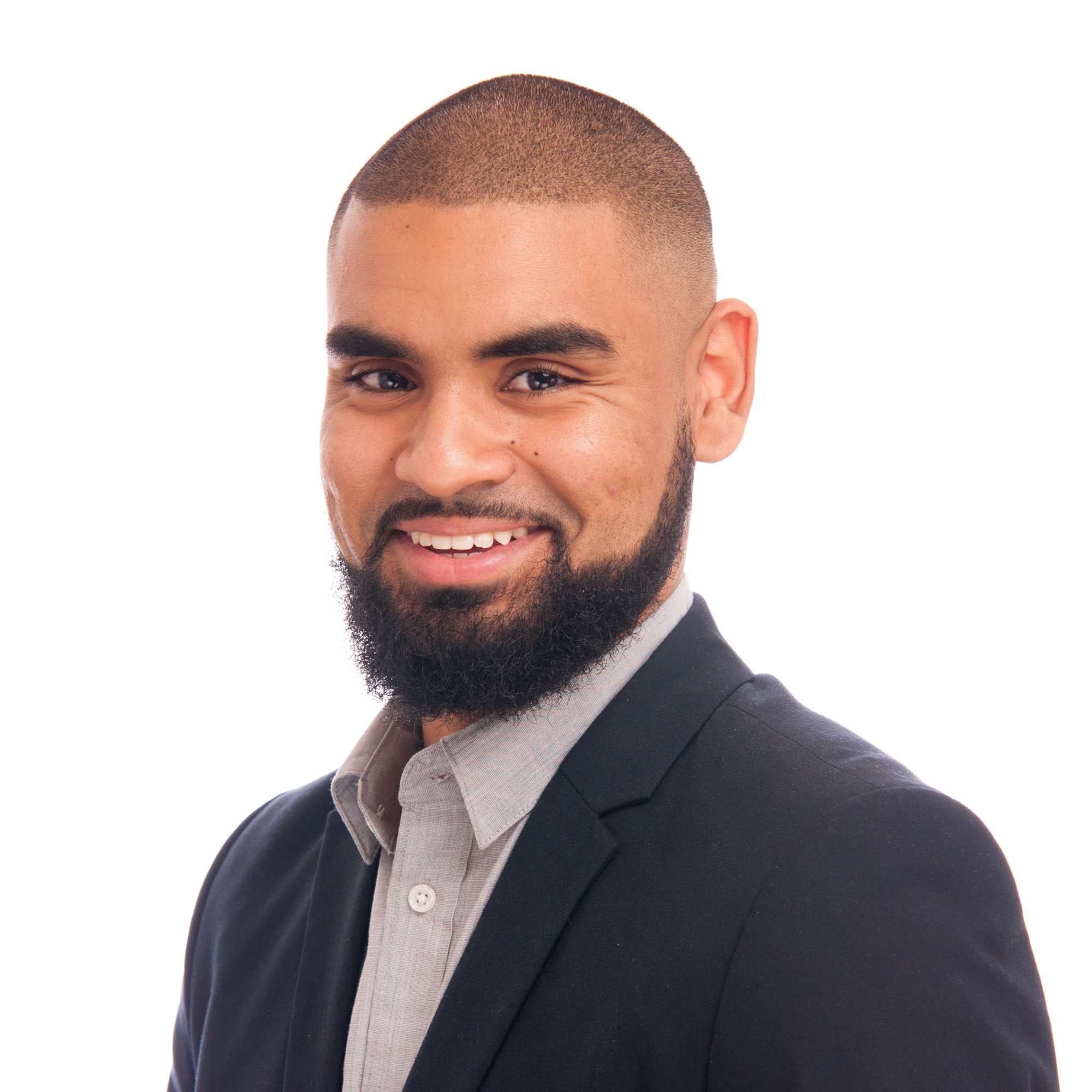
The best test I know: when your clients meet you, would they recognise the person in the photo? If you'd never wear a suit to see a client, don't wear one for your headshot.
Fit matters more than anything
A beautifully expensive jacket that's slightly too big will look worse on camera than a well-fitting high-street one. Headshots are close-up, so the camera notices:
Shoulders. Seams should sit on the edge of your shoulders, not halfway down your arms.
Collars. A collar that gapes, or one so tight it pinches, is obvious in a head-and-shoulders crop. Also, if you don’t wear a tie, choose a collar which looks good without a tie. Some collars are designed to pair with ties and look wrong when open.
Buttons. Shirts that pull across the chest create little creases the eye goes straight to.
Sleeves. They're often in shot when you fold your arms or lean forward.
If something has been in the wardrobe a while, try it on a few days before. The most common wardrobe problem on shoot days is simply clothes that fitted beautifully two years ago.
Which colours work best for headshots?
There's no single magic colour, but a few principles make a big difference.
Solid colours beat patterns. A plain colour keeps attention on your face. A busy pattern competes with it.
Mid-to-deep tones are the safest bet. Richer, deeper shades tend to flatter most skin tones and look polished on screen. Very pale pastels and very bright neon shades are harder to get right.
Think about the background. This is something people rarely consider.
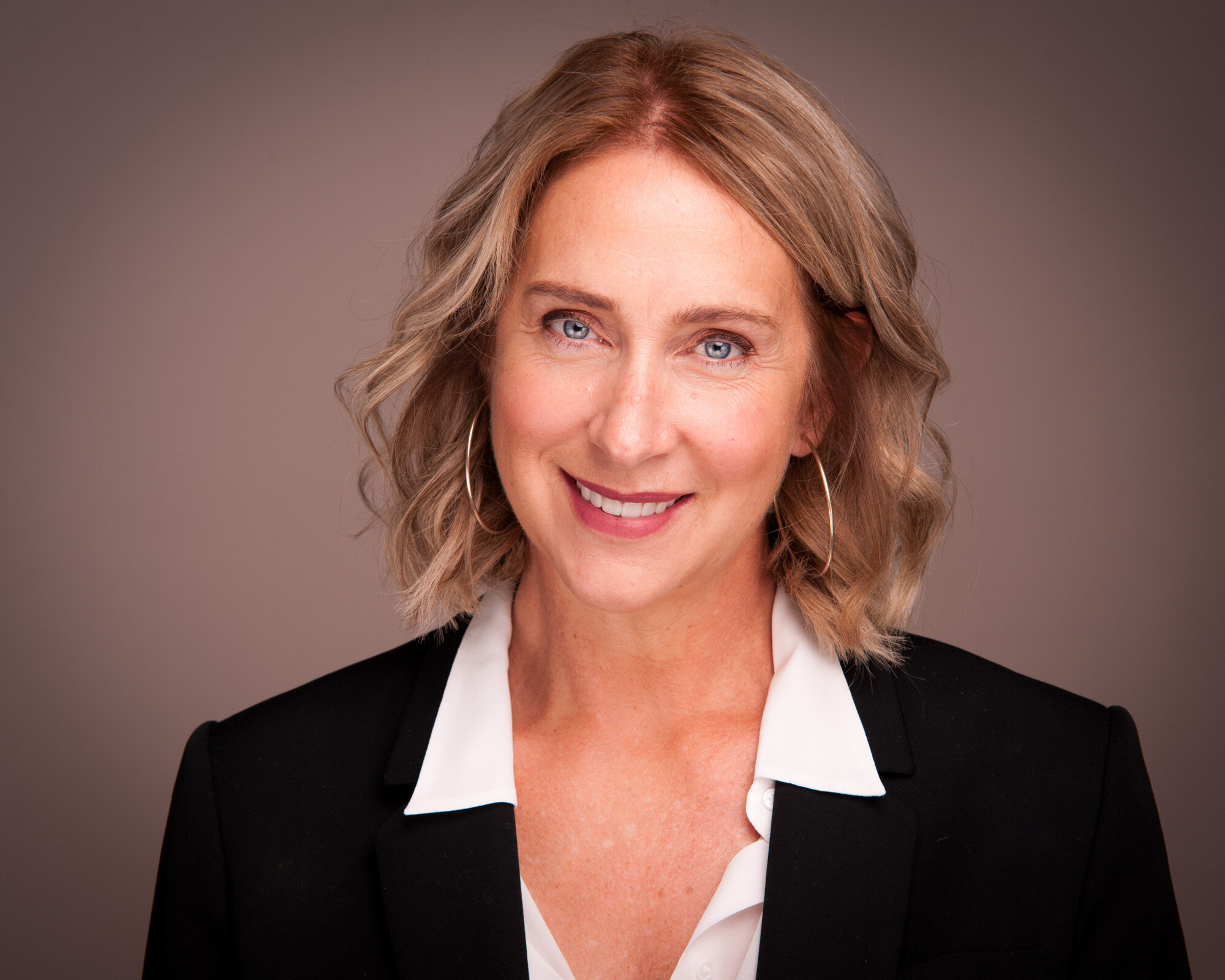
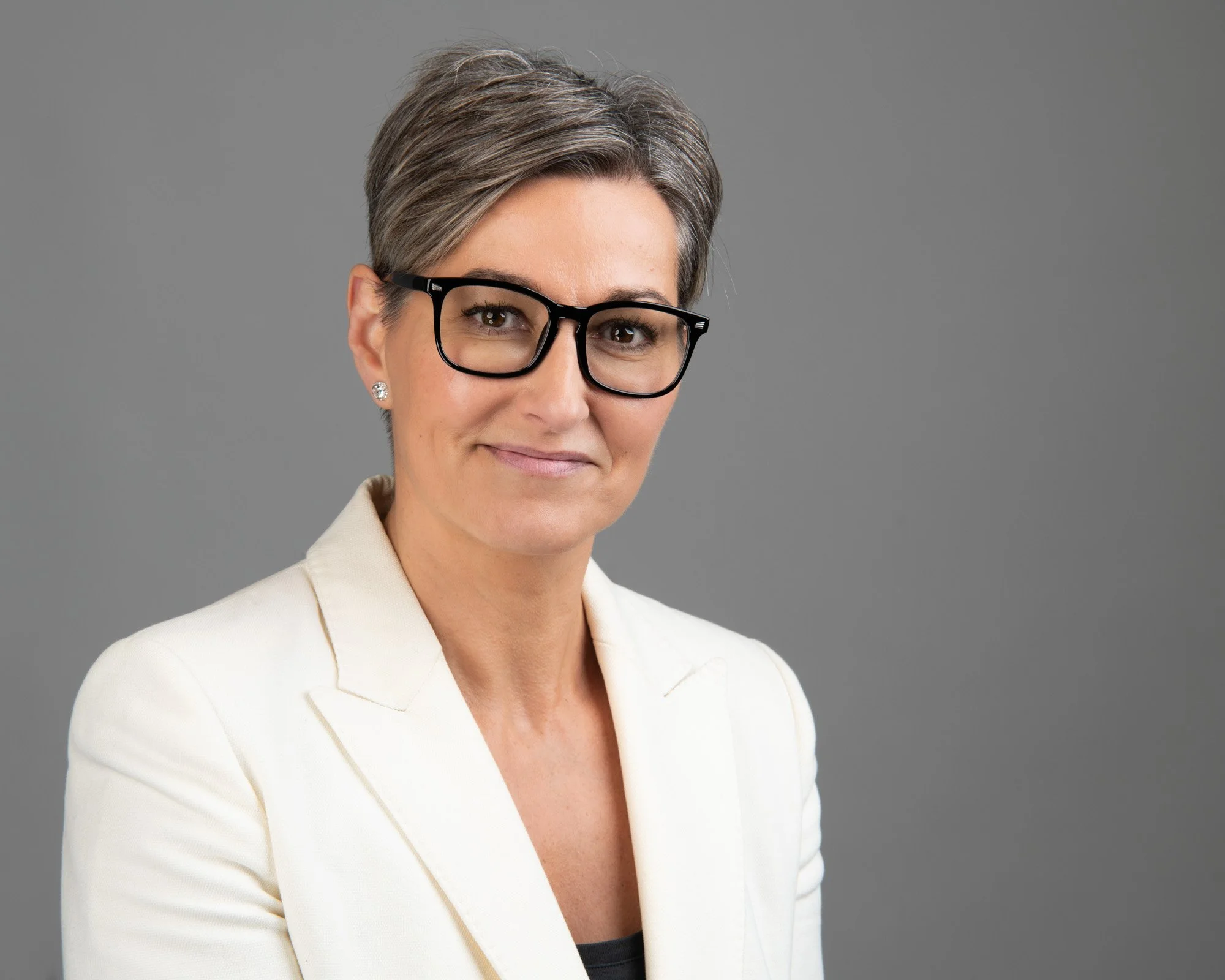
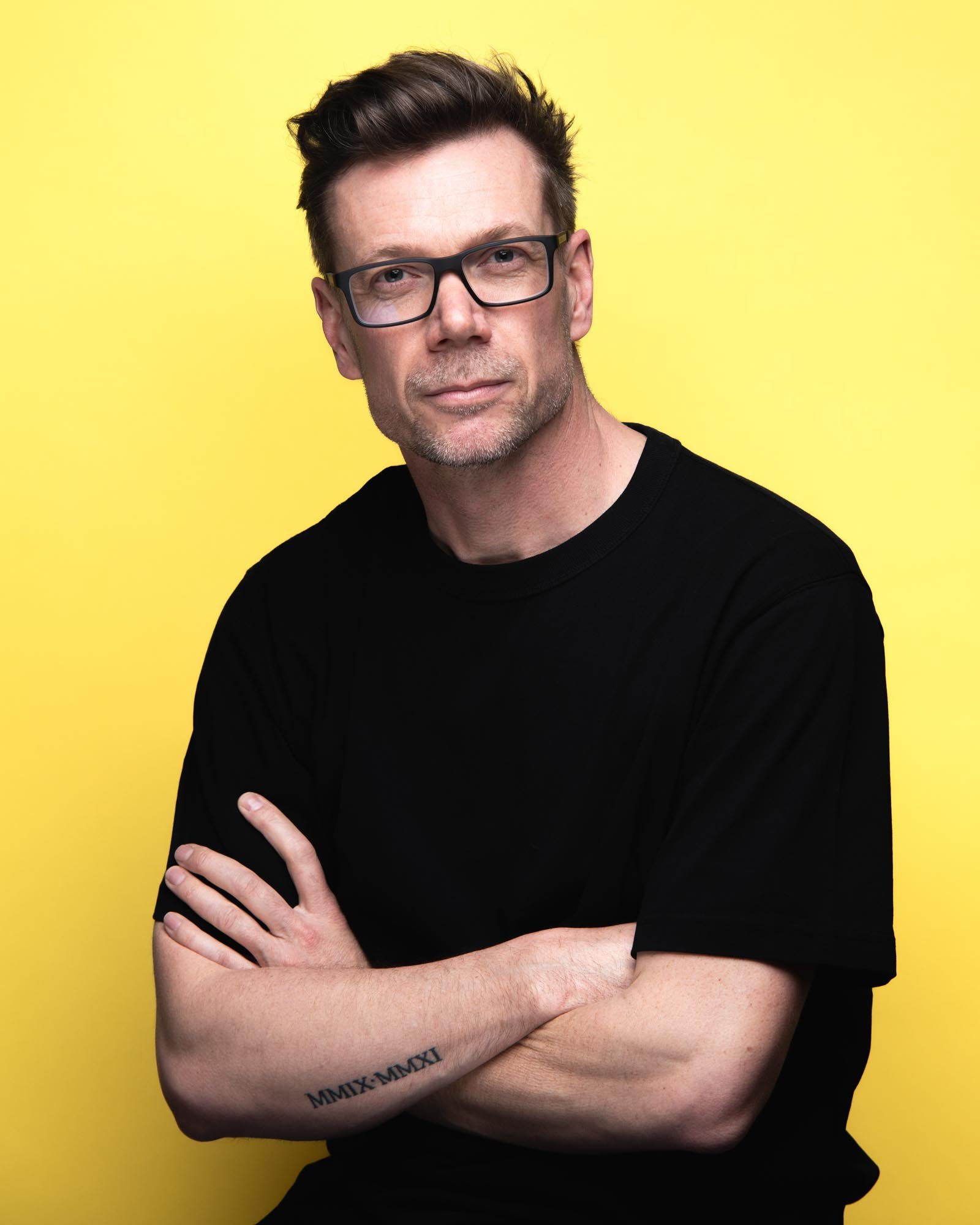
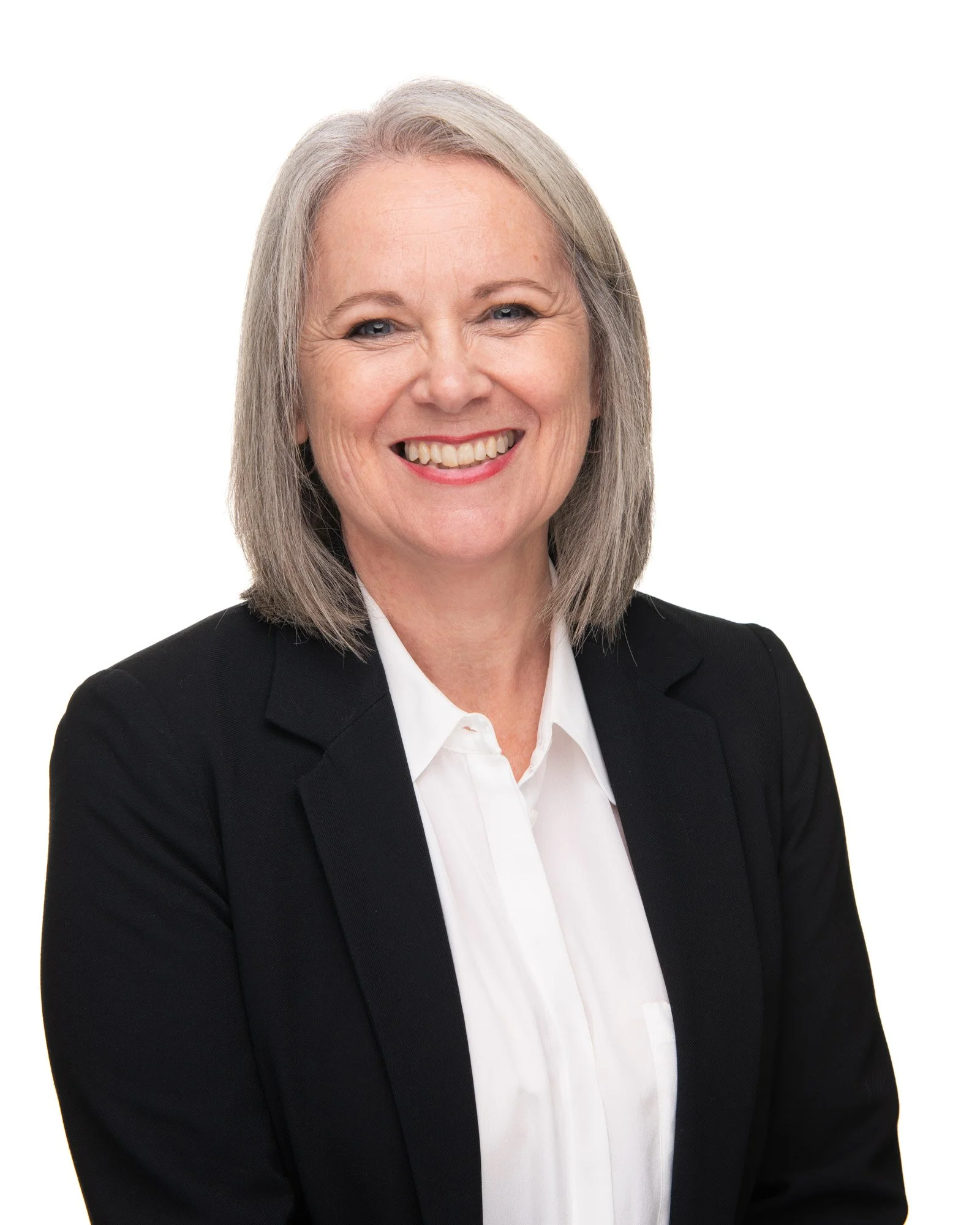
On a white or light background, a pure white shirt on its own can make you merge into it. Add a jacket or choose a colour with a bit more depth.
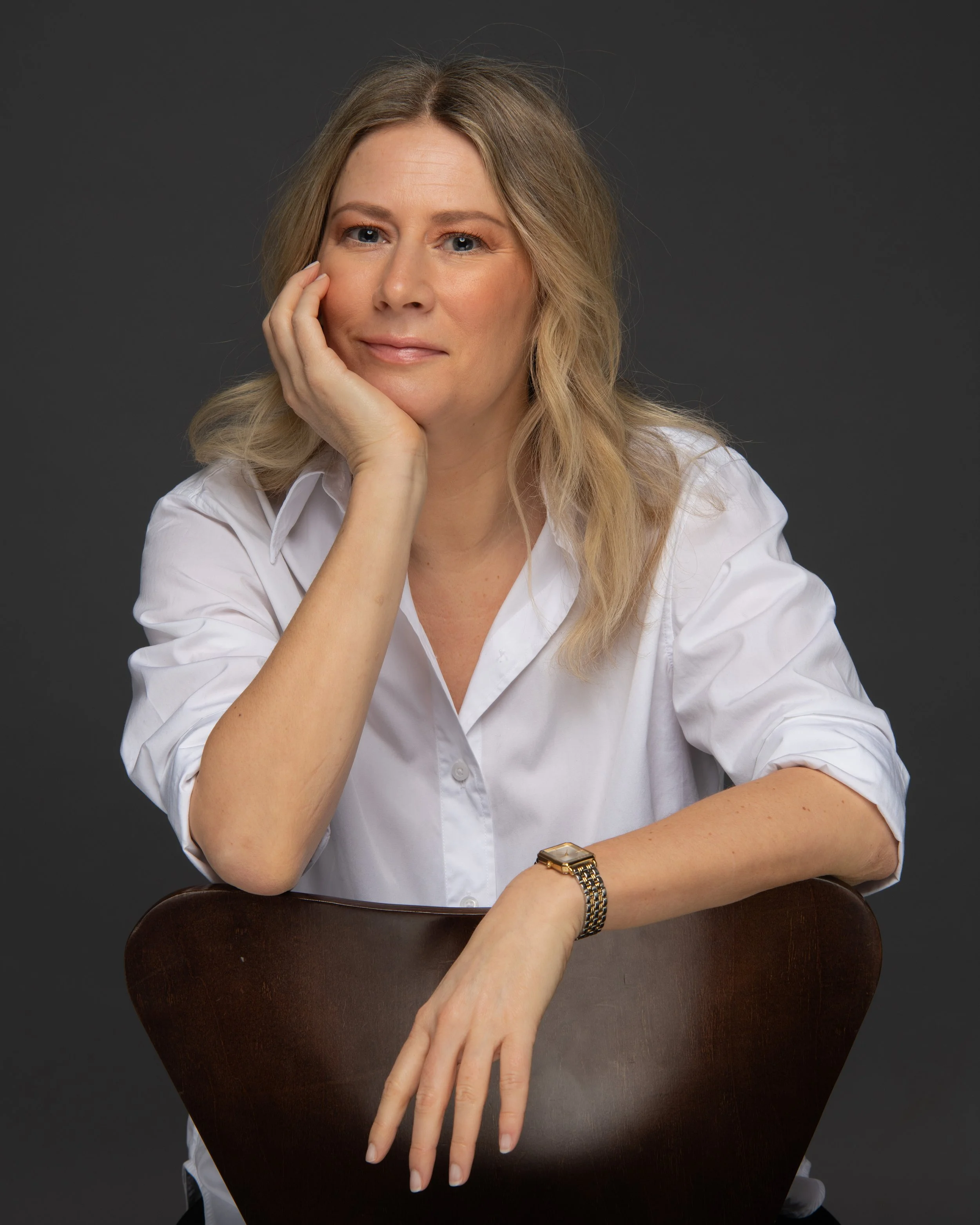
On a dark background, head-to-toe black can lose the shape of your shoulders, so you end up as a floating face. A mid-tone jacket or a lighter layer underneath fixes this instantly.
On a coloured or branded background, avoid wearing the same colour, or you'll blend in.
Consider your own colouring. Some people glow in warm colours like rust and camel, others in cool colours like blue and grey. If there's a colour people always compliment you in, that's a great clue.
Tell me what background you're having, and I'll happily give you specific colour advice before the shoot.

Patterns, textures and logos
Small, tight patterns such as fine stripes, tiny checks and herringbone can create a flickering, rippling effect on screens. Photographers call it moiré, and it can be distracting on a website or LinkedIn profile.
Large bold prints pull the eye away from your face.
Subtle texture is good. A knit, a fine wool or a linen weave adds depth without shouting.
Logos and slogans are best avoided, unless it's your own company branding and you want it seen.
Necklines and collars
Because most headshots are cropped around the head and shoulders, the neckline does a lot of work.
Collared shirts and blouses look sharp and professional, and give a clean frame to your face. Make sure it’s the right collar though, if you’re not wearing a tie, choose a collar that looks good open.
V-necks tend to lengthen the neck and flatter most people.
Crew necks work well under a jacket, less so on their own for formal headshots.
Strapless or thin-strapped tops can make you look undressed once the photo is cropped. A jacket or cardigan over the top keeps you clothed.
Polo necks can look great and modern, but check they don't swallow a shorter neck.
Avoid bare shouders when posed at an angle your leading shoulder, if bare can dominate the photo, drawing the viewer away from your face.

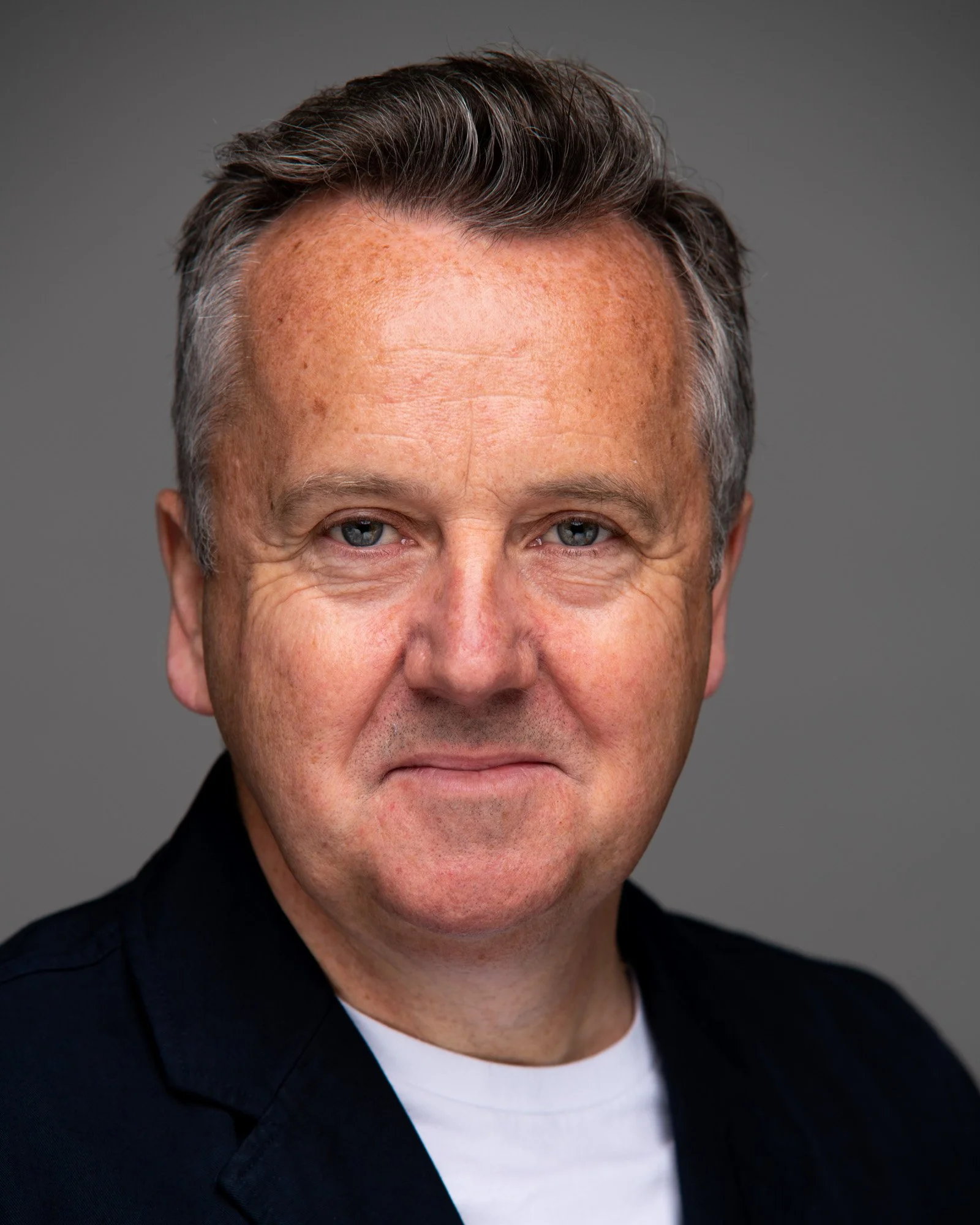
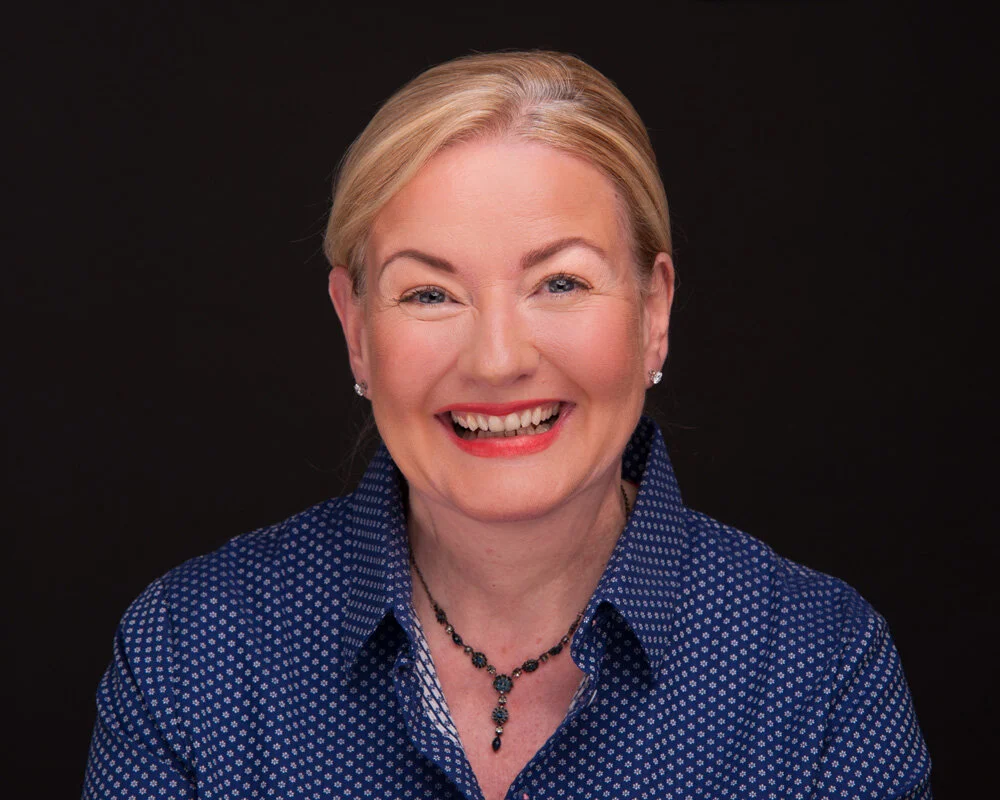
Layers add polish
A jacket, blazer or cardigan is one of the easiest ways to look finished in a headshot. It adds structure to the shoulders, gives a bit of shape, and lets you change the look quickly: jacket on for LinkedIn, jacket off for something more relaxed on your website.
What to wear for a corporate headshot
If your industry is formal:
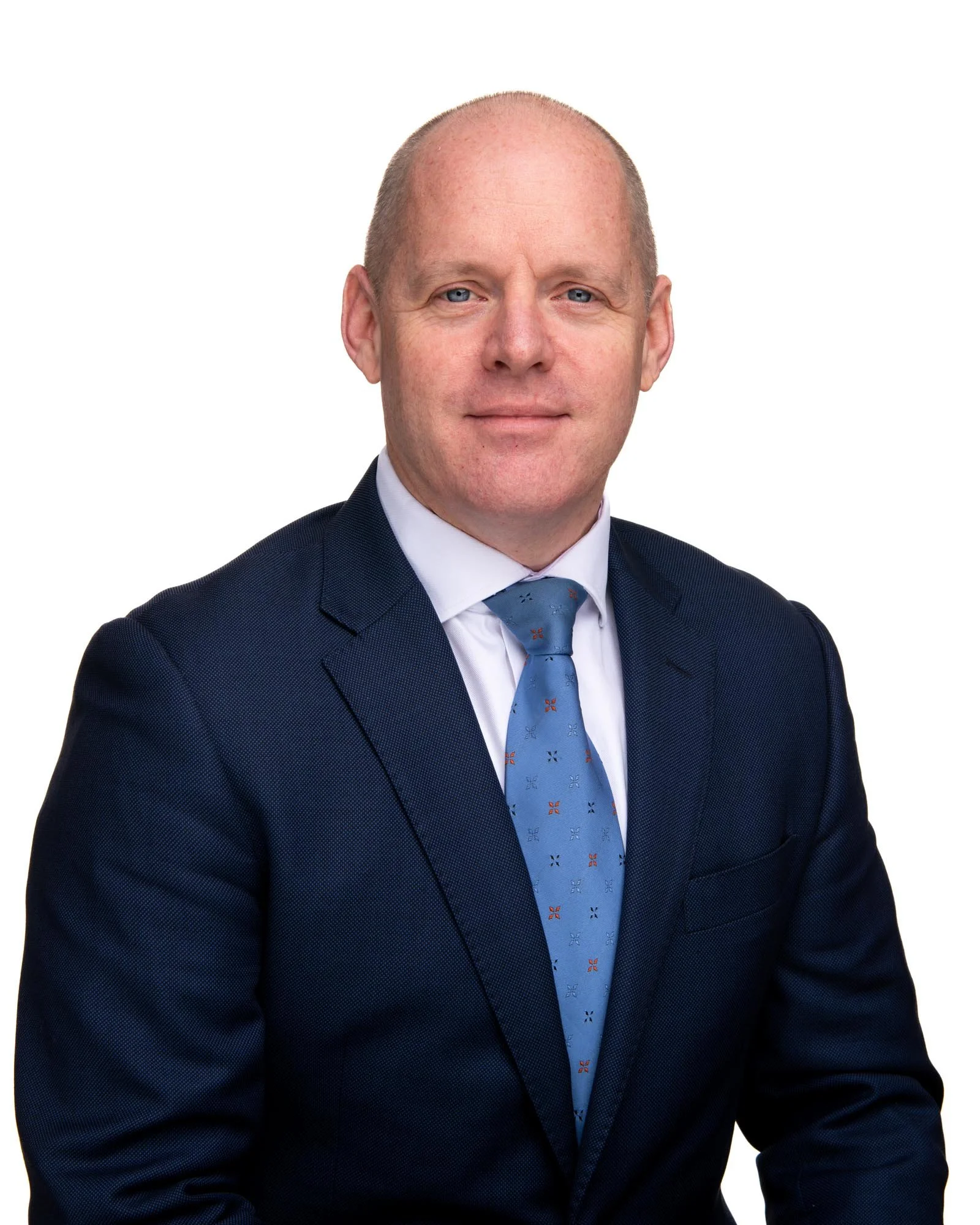
Suits and tailored jackets in navy, charcoal, grey or another deep, classic shade.
Shirts and blouses in a plain colour that contrasts gently with your jacket.
Ties are optional these days. If you wear one, choose something simple rather than a busy pattern, and bring the shirt and tie you'd actually wear to an important meeting. No tie? Check your collar is designed to be worn without a tie.
Dresses with sleeves or a neat neckline work well, especially under a tailored jacket.
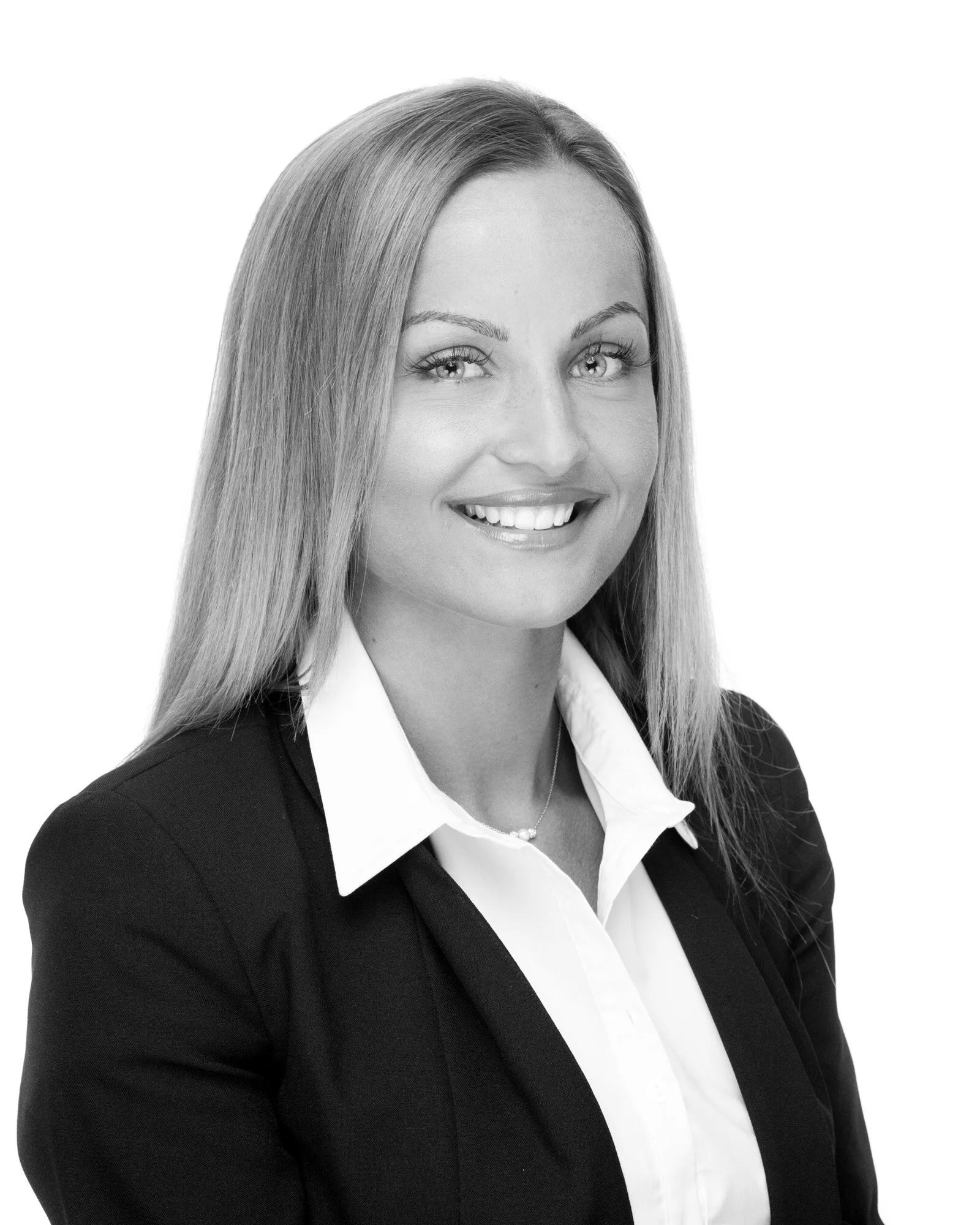
What to wear for a smart-casual or personal branding headshot
If your world is more relaxed:
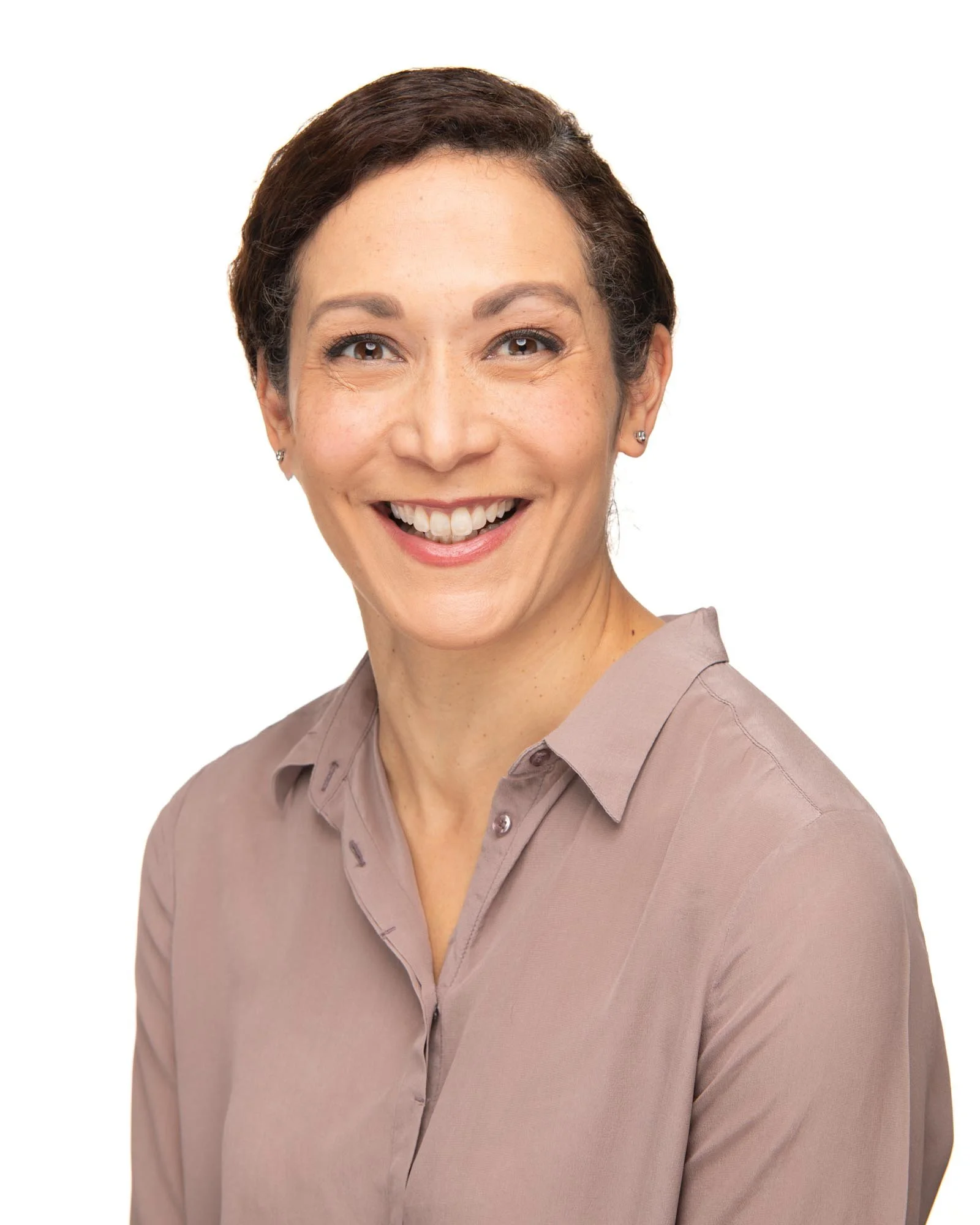
Knitwear, overshirts and unstructured jackets look relaxed but still considered.
Colour can come in here. If you have brand colours, a top in one of them can tie your photos to your website and social media.
Bring a couple of looks. Personal branding shoots often use a more formal image for LinkedIn and a warmer one for your website.
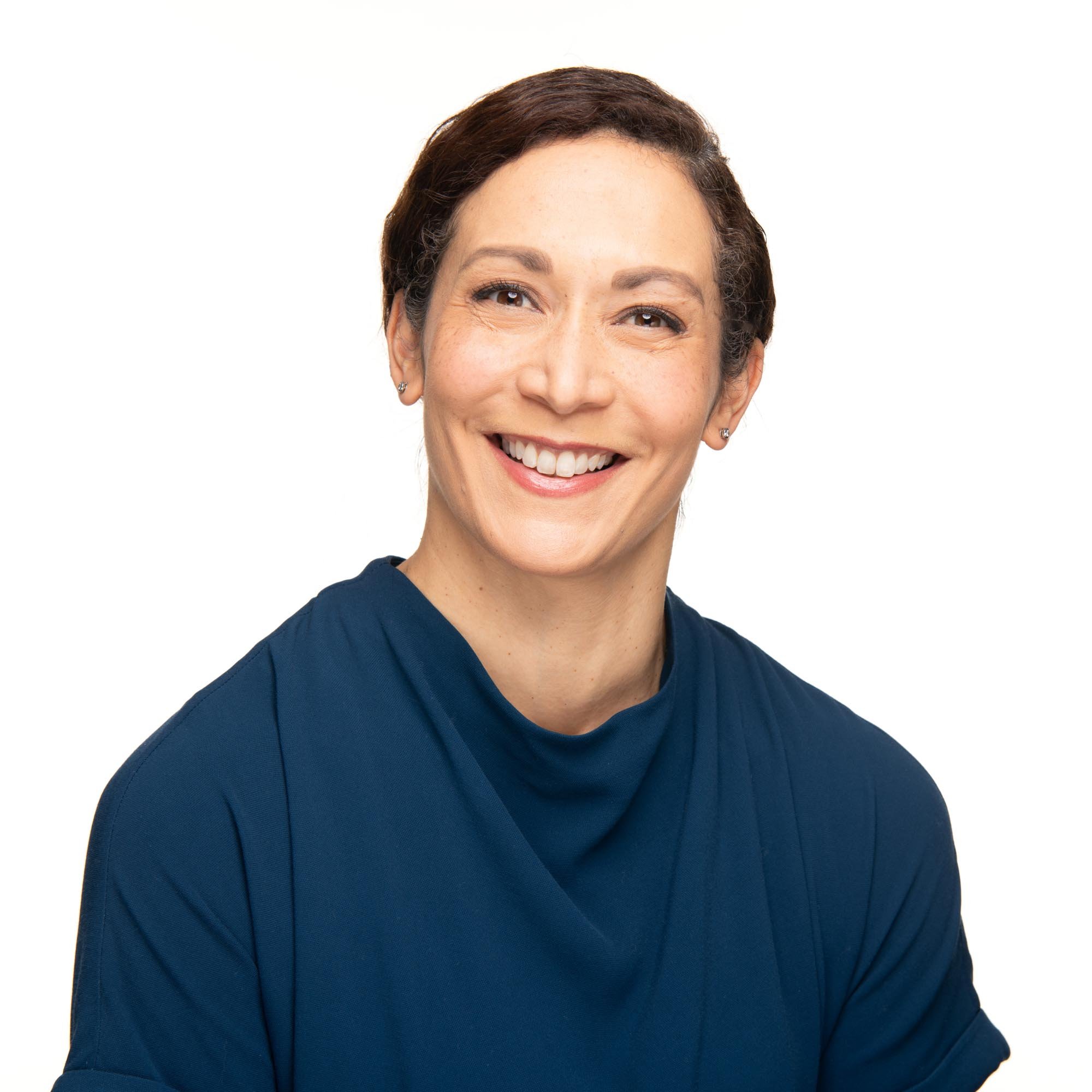




Jewellery, glasses and accessories
Jewellery: keep it simple. Pieces that catch the light or swing about can distract; a simple necklace or earrings you always wear are absolutely fine.
Glasses: if you wear them every day, wear them for your headshot. It's how people know you. Just give them a proper clean.
Hats, scarves and statement pieces: only if they're genuinely part of how people recognise you.
What to wear for team headshots
If your company is booking a team headshot day, a little guidance goes a long way. You don't want everyone in identical outfits, but the set should look like it belongs to one company.
Agree a dress level. For example: "Jackets for everyone" or "Smart casual, no jackets."
Suggest a colour range that suits your brand and the background.
Share a simple guide with the team a week before, so nobody turns up in a slogan T-shirt while everyone else is suited.
What to bring on the day
Two or three options, so we can see what works best on camera.
Clothes on hangers, not folded in a bag.
Anything creased steamed or ironed beforehand.
The shoes you'll wear, if we're doing any wider shots.
Not sure between two tops? Bring both. It takes seconds to try each, and we'll know straight away.
Your quick headshot outfit checklist
Fits well across the shoulders, collar and chest
Solid colour, or a subtle texture
A colour that works with your background
A neckline that frames your face
Nothing bright, shiny or busy competing with your face
Matches how you'd dress for your clients or workplace
A second option packed, just in case
Frequently asked questions
What colour is best to wear for a headshot?
Solid, mid-to-deep tones, such as navy, blues, greens, greys and rich warm colours, usually photograph best and suit most skin tones. The ideal colour also depends on your background, so ask your photographer which background you're having.
Can I wear white for a headshot?
Yes, but think about the background. On a white background, a white top can blend in, so add a jacket or layer. On a dark background, white can look fresh and bright.
Can I wear black for a headshot?
Black works well on light backgrounds. On a dark background, all-black clothing can make your shoulders disappear, so a lighter layer or a mid-tone jacket usually looks better.
Should I wear a suit for my headshot?
Only if you'd normally wear one for work or to meet clients. Your headshot should look like the person people will meet.
Can I wear patterns in a headshot?
Subtle texture is fine, but fine stripes, tight checks and bold prints can distract or create a rippling effect on screens. Solid colours are the safest choice.
What should I wear for a LinkedIn headshot?
Wear what you'd wear for an important meeting in your industry, or for the role you're aiming for. Keep it well-fitting and simple, and choose a colour that stands out from your background.
Should I wear my glasses in my headshot?
If you wear them most of the time, yes. Just make sure they're spotlessly clean.
Can I change outfits during the session?
Yes, assuming the shoot package and schedule allow the time.
Still not sure what to wear?
Send me a photo of your options before the shoot, and I'll tell you honestly what will work best with the background and style we've planned.
Book your headshot session:
About the author
Matthew Burch is a headshot and portrait photographer based near Farnham, Surrey, with over 18 years' experience photographing individuals, business owners and corporate teams across Surrey, Hampshire, London and the UK.